
Lost and Grounded Brewers have reached another milestone in their sustainability journey, installing a Dalum CO2 recovery plant.
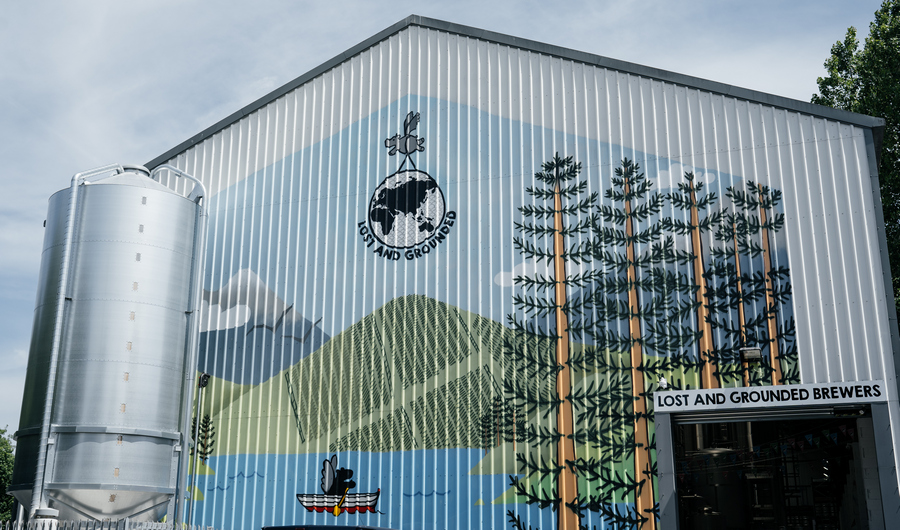
Carbon dioxide is used throughout the brewing process, from pressurising tanks to packaging the final product. Previously the brewery had been receiving manufactured CO2 in bulk deliveries, which is not only costly, but has also become extremely unreliable in recent years, creating a risk for production.
Fortunately, CO2 is an abundant by-product of fermentation, so with the installation of this new system Lost and Grounded will be able to capture, purify, liquify, and store this valuable resource, allowing them to reduce costs and their impact on the planet.
Based in Denmark, Dalum are one of the industry leaders when it comes CO2 recovery, seeking to make this sustainable technology financially accessible to small brewers.
Now that the system is up and running, Lost and Grounded are recovering up to a ton of carbon dioxide gas a week, furthering their work towards self-sufficiency in the brewhouse. Every ton they recapture is equal to a two-ton reduction in carbon footprint.
This news follows other sustainable initiatives implemented by Lost and Grounded. Since opening in 2016, the brewers have monitored their water, electricity, and gas usage, and have seen a reduction of about 40% over recent years. The brewery’s water consumption has reduced from eight litres water per litre of beer in 2017 to now approximately four litres of water per litre of beer, with electricity and natural gas consumption following similar trends.
In June 2022, the brewery commissioned a 30-tonne malt silo to reduce their plastic grain bag waste and save 15,000 polypropylene sacks from going into landfill each year.
Furthermore, in February 2023, after receiving a green business grant from the Combined West of England Authority, they installed an energy recovery system, from steam generated during the brewhouse boiling process, heating approximately 500 litres of water, ready to be used for further brewing or cleaning processes. This resulted in a 10% reduction in gas consumption.

