Britain’s hospitality sector is powering the economic recovery of major cities from the Covid pandemic but their support is threatened by rising costs, rail strikes, and other factors.
That is the headline message from the latest Top Cities report from hospitality research expert CGA by NielsenIQ and leading connectivity solutions provider Wireless Social. It combines CGA’s sales data with device log-in data from Wireless Social to provide a ‘vibrancy’ ranking of Britain’s ten most populous cities over the four weeks to 24th September.
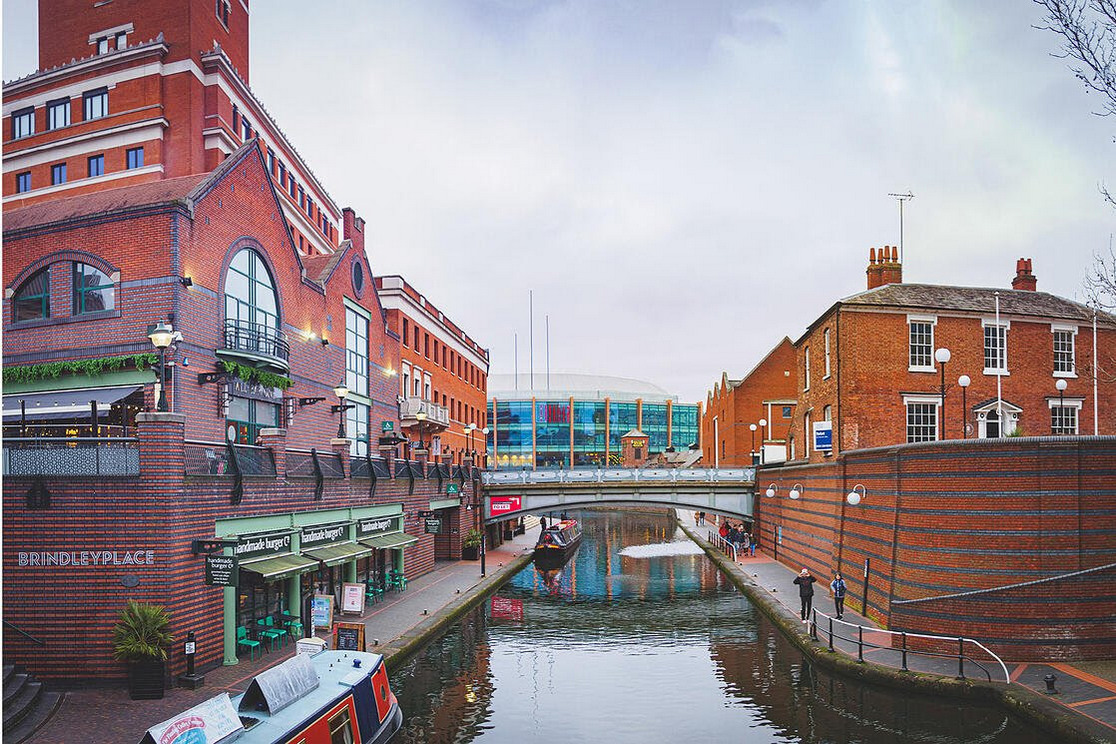
Birmingham tops the report’s list of most vibrant cities for the second successive period, ahead of Glasgow, while Manchester climbs two places to third. The latter’s performance driven by a significant jump in sales from 2% growth to 12% versus last month’s rankings. London is bottom of the rankings for the second period in a row, with both sales and logins still short of the pre-Covid levels of 2019.
London was one of only three cities recording sales below the same period in 2019. Of the cities showing positive sales, growth averaged 7%, while the top three performers average 11%, making them closer to meeting pre-Covid levels in real terms.
Logins in the ten cities have also marginally improved over the last few months. However, high levels of inflation mean average sales are significantly down in real terms, and city centre footfall remains well below pre-pandemic comparatives. Combined with constant cost pressures, this highlights the ongoing assistance the hospitality sector needs in terms of government support.
CGA client director, Chris Jeffrey, said: “Restaurants, pubs, and bars have been hugely impressive in pulling sales ahead of their pre-Covid levels, and they are instrumental in attracting people back to Britain’s big cities.
“But this recovery is at risk of stagnation from the soaring costs in energy, food, property, and other key areas for businesses and consumers alike. Rail strikes are another major threat to city centre spending at the moment, and ongoing labour shortages and supply chain issues are adding to the headwinds.
“Hospitality can power the economic growth the government is seeking, but only if it receives sustained support to get through the current storm.”
Julian Ross, founder and chief executive of Wireless Social, added: “The resilience that the hospitality industry continues to show, against an incredibly tough economic and social environment, is mightily impressive. As we approach the winter months, where the impact of hiking energy bills and inflation are set to really hit home, it’s vital that the industry receives further support.
“We echo the calls from institutions like UKHospitality for things like business rates relief and VAT cuts, as the sector needs as much meaningful support as it can get.”