
By Lotte Peplow, Brewers Association’s craft beer ambassador for Europe
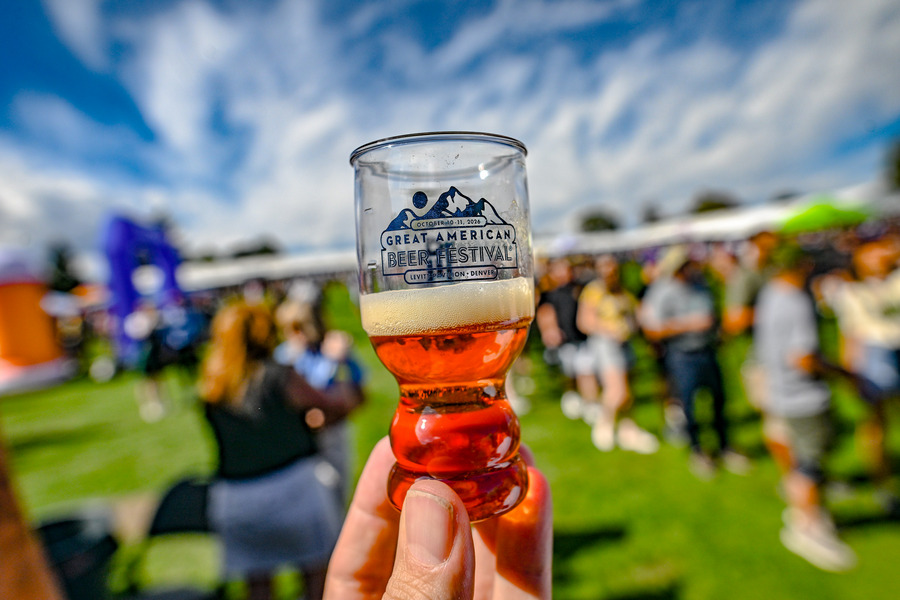
The new, bigger 100ml festival tasting glass. Photographs: Brewers Association
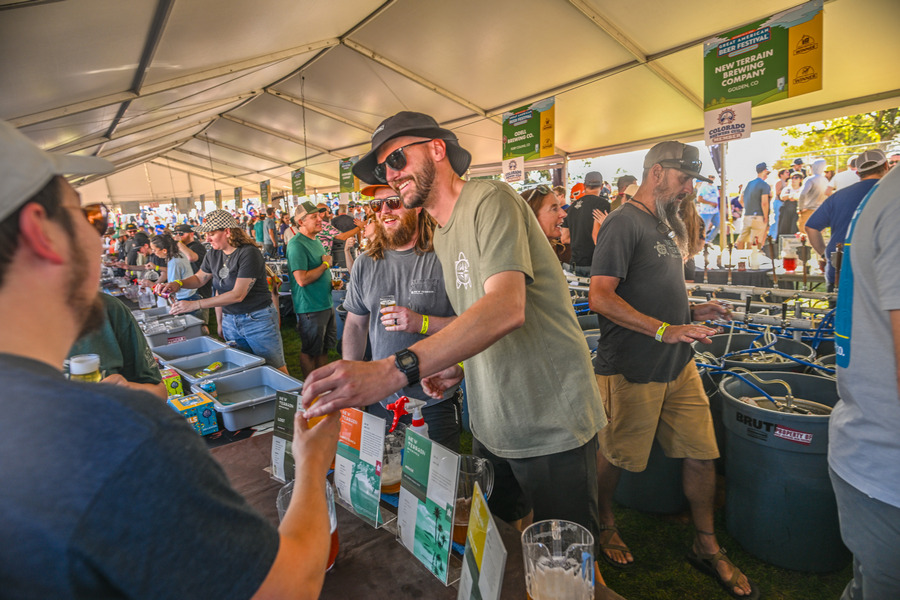
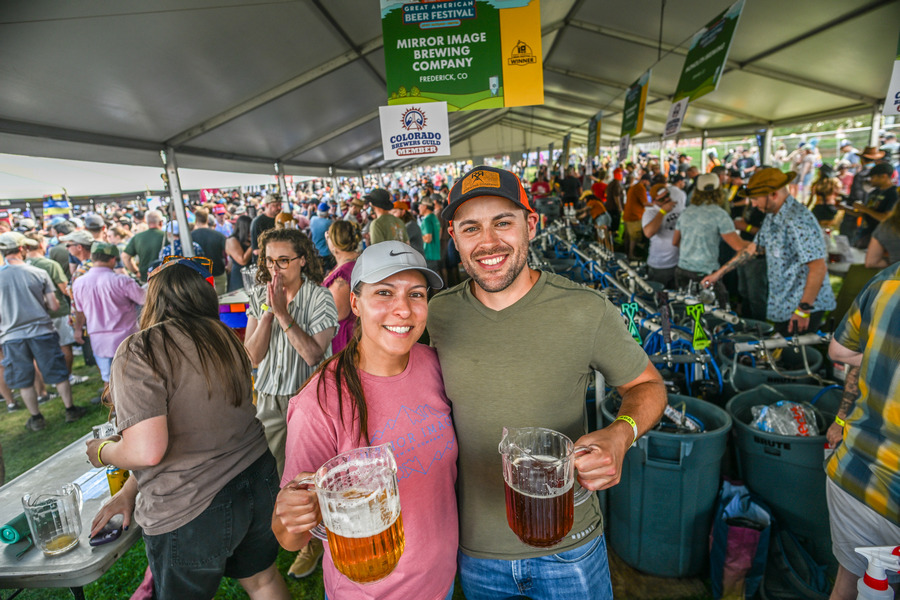
For the first time in its 44-year history, the Great American Beer Festival (GABF), America’s premier beer festival, organised by the Brewers Association, the not-for-profit association that represents small and independent American craft brewers, moved outdoors to a new open-air venue.
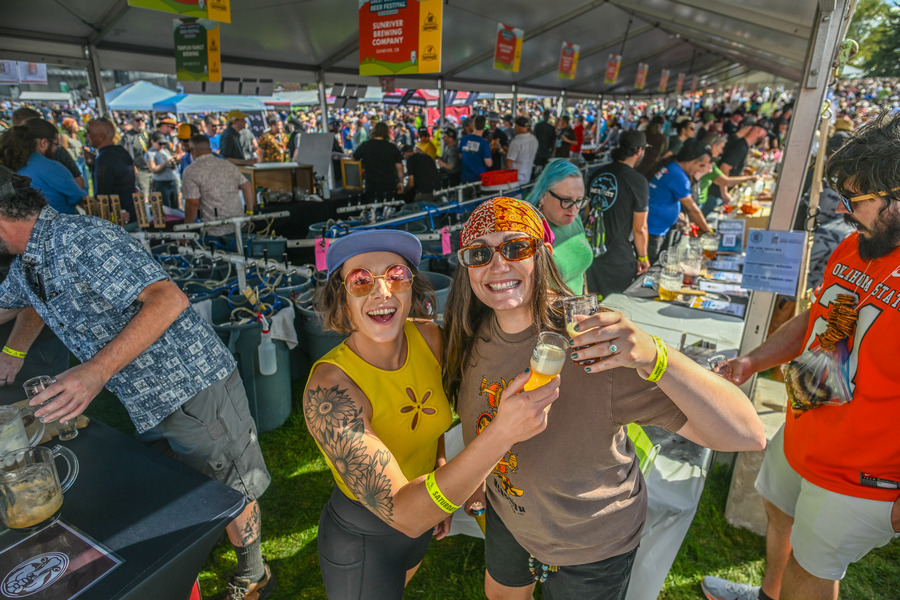
This year’s event marked a significant change in format with a scaled down number of breweries. Priority was given to those who have medalled at either GABF or the World Beer Cup in the last five years. More than 250 breweries were featured, and brewers themselves were pouring their own beers.
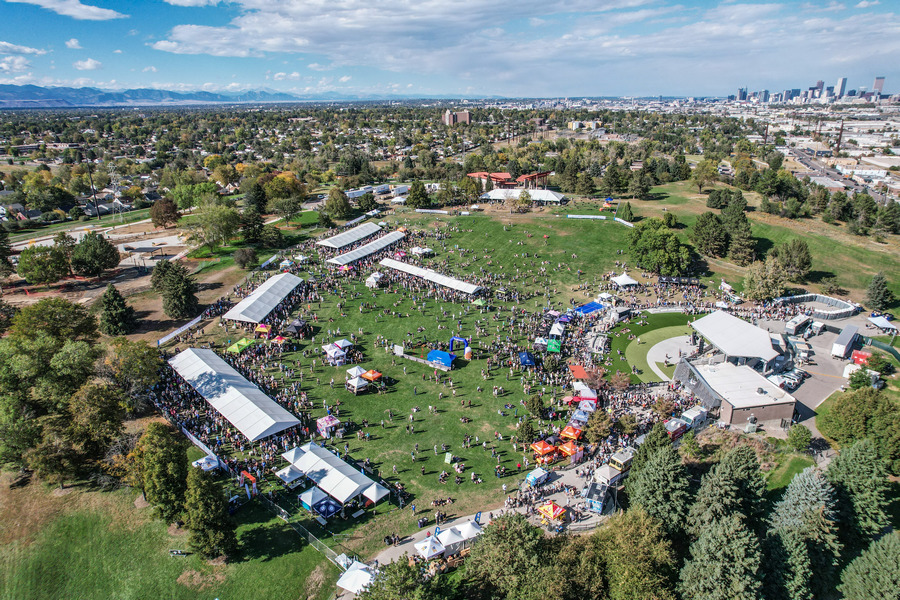
Levitt Pavilion, just outside Denver, Colorado, a music venue with expansive green space, beautiful panoramic city views, and a built-in amphitheatre, was chosen as the festival’s new home. Taking place on 10th and 11th October, the sun shone on 15,000 attendees. After many years in the cavernous Colorado Convention Centre, the move outdoors truly felt like a breath of fresh air and the perfect place to explore new beers, discover emerging trends, and celebrate the quality and diversity of American craft beer.
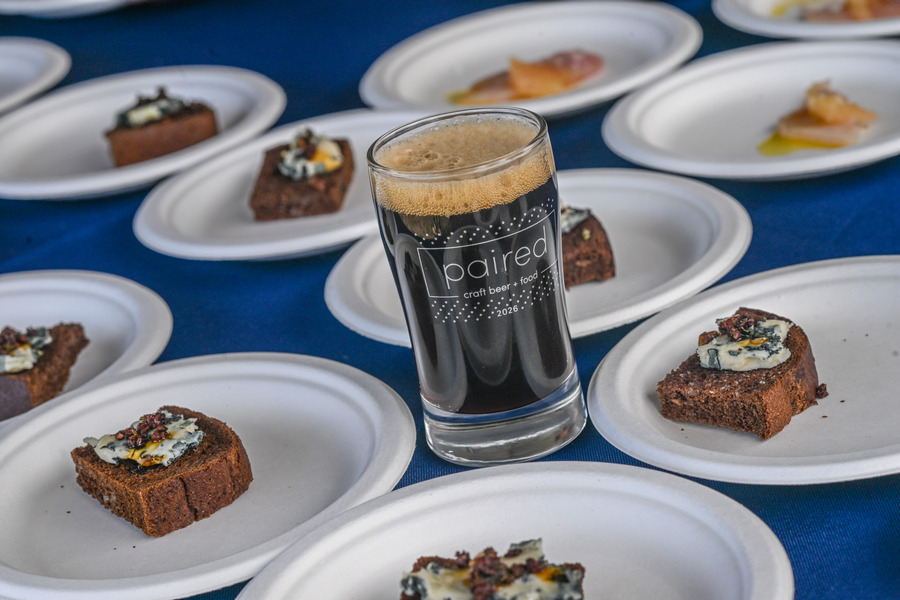
Another popular change was the increase in sample size from 30ml to 100ml, particularly welcome for thirst-quenching lighter styles. Sunday’s session incorporated the GABF competition award ceremony and allowed festival-goers to attend for the first time. PAIRED, the elevated food and beer experience that pairs acclaimed chefs with American craft brewers, also returned.
GABF competition: the pursuit of excellence
The GABF competition is the largest commercial beer competition in the US, and winning an award represents the very best the American craft beer industry has to offer. This year, 7,267 entries from 1,300 breweries and cideries competed in 104 categories, which were judged by 225 experts. The five most entered categories were:
- West Coast-style India pale ale (277 entries)
- Juicy or hazy India pale ale (260 entries)
- German-style Maerzen (184 entries)
- American India pale ale (165 entries)
- German-style Pilsner and Dortmunder, and German-style Festbier (both 161 entries).
The results underline the enduring popularity of IPA, with West Coast and hazy interpretations leading the field, while traditional European-inspired lager styles also attracted substantial interest.
Winning a medal at this competition is one of the highest accolades in the world and several breweries within international export markets took home top honours, such as:
- Allagash Brewing Co for Allagash White (gold for the seventh time!) in the Belgian-style witbier
- Deschutes Brewery for Super Stoked in alcohol-free ale or lager, and Fresh Hop King Crispy in fresh hop beer
- Wormtown Brewery for Summer Ale in American wheat beer
- Alesong Brewing & Blending for Biere de Noel in herb and spice beer.
Beyond the medals, GABF offered a valuable snapshot of the trends shaping the American craft beer market. Here’s a selection.
Highs and lows
American craft beer drinkers are increasingly exploring both ends of the alcohol strength spectrum. According to research from the Brewers Association, the two ABV levels with the greatest off-premise beer volume growth since 2022 (excluding non-alcoholic) are 9% beers, up 76%, and 3% beers, up 16% (Nielsen IQ). The shift towards high- and low-alcohol strength beers reflects a desire, on the one hand, for more bang for one’s buck with higher strength beers, and on the other, lower-strength styles that fit the trend towards less alcohol consumption. By contrast, 6% ABV beer has declined the most since 2022, down 27%.
Innovative and nimble
IPAs, in their many iterations, continue to dominate the American craft beer landscape, but the core audience of drinkers is slowly declining as they age or reduce their alcohol consumption. Breweries are looking to attract a new, younger consumer by rapidly adapting to develop new styles and formats.
Non-alcoholic versions of established favourites and sparkling hop waters are among the products helping breweries broaden their appeal. Chicago-based Revolution Brewing is one example of a brewery exploring opportunities beyond its traditional strengths in IPA and robust barrel-aged stouts.
Sierra Nevada, Chico, California, demonstrated a breadth of innovation with a line-up that included Go-Two, a 2.8% ABV IPA, SHRED, a 4.5% ABV beer soda with a hit of citrus, and Agua Azul, an 8% ABV spiked agave seltzer.
Lager’s reputation
Lager is among the more efficient beer styles to transport, but commercial success depends on building a solid reputation for quality. Jack’s Abby Craft Lagers continue to push the boundaries of lager development and have built an enviable reputation by using the highest quality ingredients combined with precision driven experimentation. Rob Gonzales, head of brewery partnerships, at Jack’s Abby, says: “Consumers are less interested in the hop bill of a lager and less likely to turn the can over and examine the exact canned on date, which makes it easier to sell, but the product needs a good reputation for quality in the first place.”
Regional preferences also influence the styles breweries choose to produce. In New Mexico, for example, Quarter Celtic Brewing Co is leaning into rice lagers and Mexican-style lagers. Rice lager was introduced as a new category in this year’s GABF competition, reflecting the continuing evolution of the lager landscape. “Almost all the breweries in New Mexico make a Mexican lager!” laughed the brewers at the Quarter Celtic booth.
A strong reputation in one category can also provide a platform for expansion into another. Illinois-based DESTIHL has established itself as a leading producer of juicy and hazy IPAs, winning gold in the category twice with Deadhead Tourbus. The brewery has subsequently used that success to introduce a range of fruited sour beers, demonstrating how expertise in one style can help build credibility in others.
Formats
The dominant format for IPAs is the 473ml can, but packaging choices can take on added significance in export markets. Anecdotal evidence suggests that consumers in hot countries may prefer their IPAs in smaller 355ml cans to avoid prolonged exposure to high temperatures. This same reasoning applied to Sierra Nevada’s launch last year of Pils Craft Lager in a 248ml can.
Beyond the festival
Not every emerging trend was immediately apparent among the beers pouring at GABF. Flavoured beer increased in sales 4.4% in off-premise retailers according to NielsenIQ data. Within this category, apple lager is the success story. Could fruit combination lagers be the ones to watch next year? One thing is certain — brewers will continue to experiment with flavour, strength, ingredients, and formats as the market evolves to meet a broader range of consumer preferences.
In summary
GABF’s move outdoors represented more than a change of venue. Its smaller scale, brewer-led pouring and renewed focus on beer created a different kind of festival experience, bringing producers and consumers closer together.
For international markets, GABF remains an important opportunity to understand where American craft beer is heading. The trends emerging in the US may offer useful pointers for breweries, importers, and retailers overseas looking to anticipate the next big thing in their respective markets.
A date for your diary
Calling all brewers! Don’t forget to register for the World Beer Cup, the most prestigious beer and cider competition in the world, held annually in the USA. Developed in 1996 to celebrate the art and science of brewing, this global competition continues to create greater consumer awareness about different beer and cider styles and flavour profiles while promoting international brewing excellence. Registration opens in November. See worldbeercup.org for further details.
American craft beer in the UK
The UK remains an important market for American craft beer exports and the third largest in the world accounting for 8.2% of all global exports. American craft beer is available through selected bars, pubs, and dining venues, as well as bottle shops, off-licences, and supermarkets, and online from Athletic Brewing, Brew Export, Beer Merchants, Cask International, Cave Direct, Distant Lands, Hop the Pond, and Sierra Nevada UK.
About the Brewers Association
The Brewers Association (BA) is the not-for-profit trade association dedicated to small and independent American brewers, their beers, and the community of brewing enthusiasts. The BA represents 5,600-plus US breweries. The BA’s independent craft brewer seal is a widely adopted symbol that differentiates beers by small and independent craft brewers. The BA organises events including the World Beer Cup, Great American Beer Festival, Craft Brewers Conference, and BrewExpo America, and American Craft Beer Week. The BA publishes The New Brewer magazine, and Brewers Publications is the leading publisher of brewing literature in the US. Beer lovers are invited to learn more about the dynamic world of craft beer at CraftBeer.com and about homebrewing via the BA’s American Homebrewers Association and the free Brew Guru mobile app.
About the author
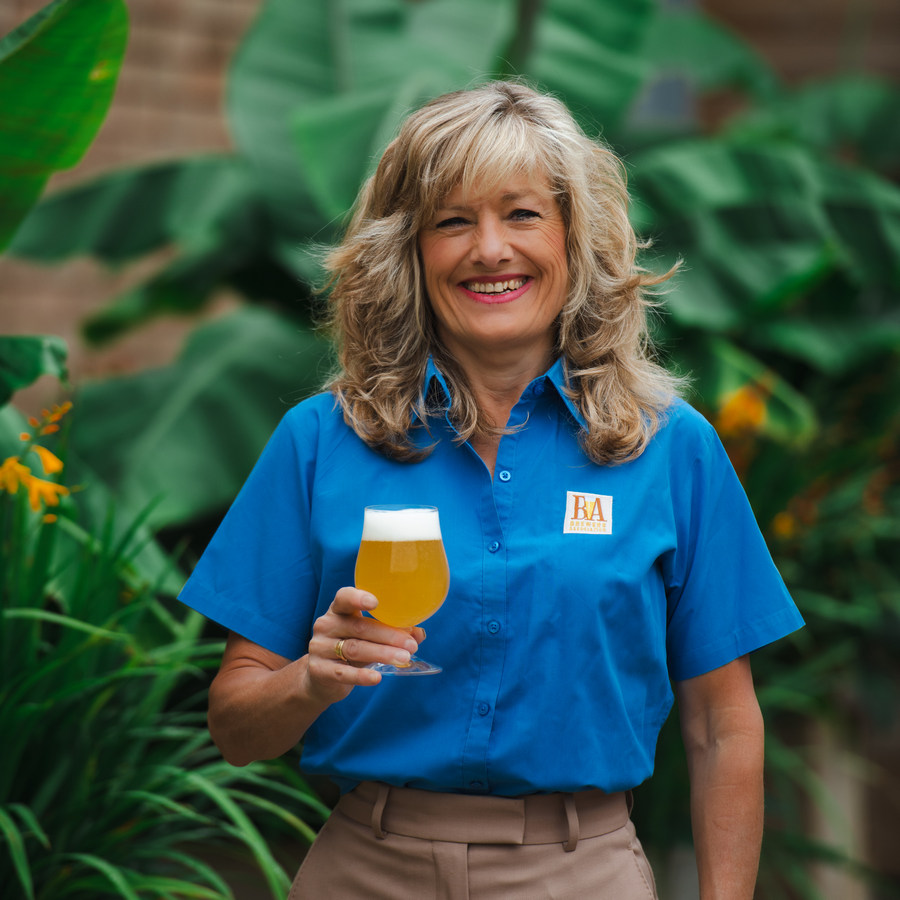
Lotte Peplow is the American craft beer ambassador for Europe for the Brewers Association and is based in London. She is a certified cicerone, BDI-accredited beer sommelier, beer writer, author, beer communicator, international beer judge, homebrewer, and beer lover.
